JANTEST tests all our work following completion in accordance with ‘BS 7671: 2022: Amendment 2. Requirements for Electrical Installations’, which requires all new installations to be tested and appropriate certification to be provided to the customer.
Inspection, testing and certification
JANTEST is qualified to carry out Inspection and Testing including PAT testing.
Why you should have your installations inspected and tested.
An electrical installation is a complex web that spreads throughout your house or building with points in every room and often outside the building as well. Much of the installation is unseen running through the walls and floors. Checking the condition of this hidden web through the inspection and testing process can provide peace of mind that it is in good condition as well as providing documentation to confirm this. The report that results will provide a document that confirms the condition of your electrical installation. This can be provided for a range of interested parties from insurers to a potential buyer. In many ways it can be compared to an M.O.T for your house or building. However, this certification can be satisfactory for up to 10 years in a domestic property and 5 years in a commercial installation so unlike an MOT it lasts for longer!
Inspection and testing can identify areas that may be faulty or in danger of becoming so. Electrical faults are often unseen until they manifest themselves in dangerous ways. Electrical faults can cause fires, injury or death from electrocution. In 2010 350,000 people where seriously injured by electric shock and there were 28 fatal electrocutions. There were 37,601 fires originating from an electrical origin problem. Of these, 5,956 caused injury and 244 resulted in deaths, (Statistics from the Electrical Safety First website 2014).
The inspection and testing process exposes potentially dangerous faults before they cause fire or injury.
Remedial works
Following Inspection and Testing a report is prepared. If anything has failed to meet the requirements of the test, JANTEST will recommend remedies and will be happy to carry out the necessary work if required.
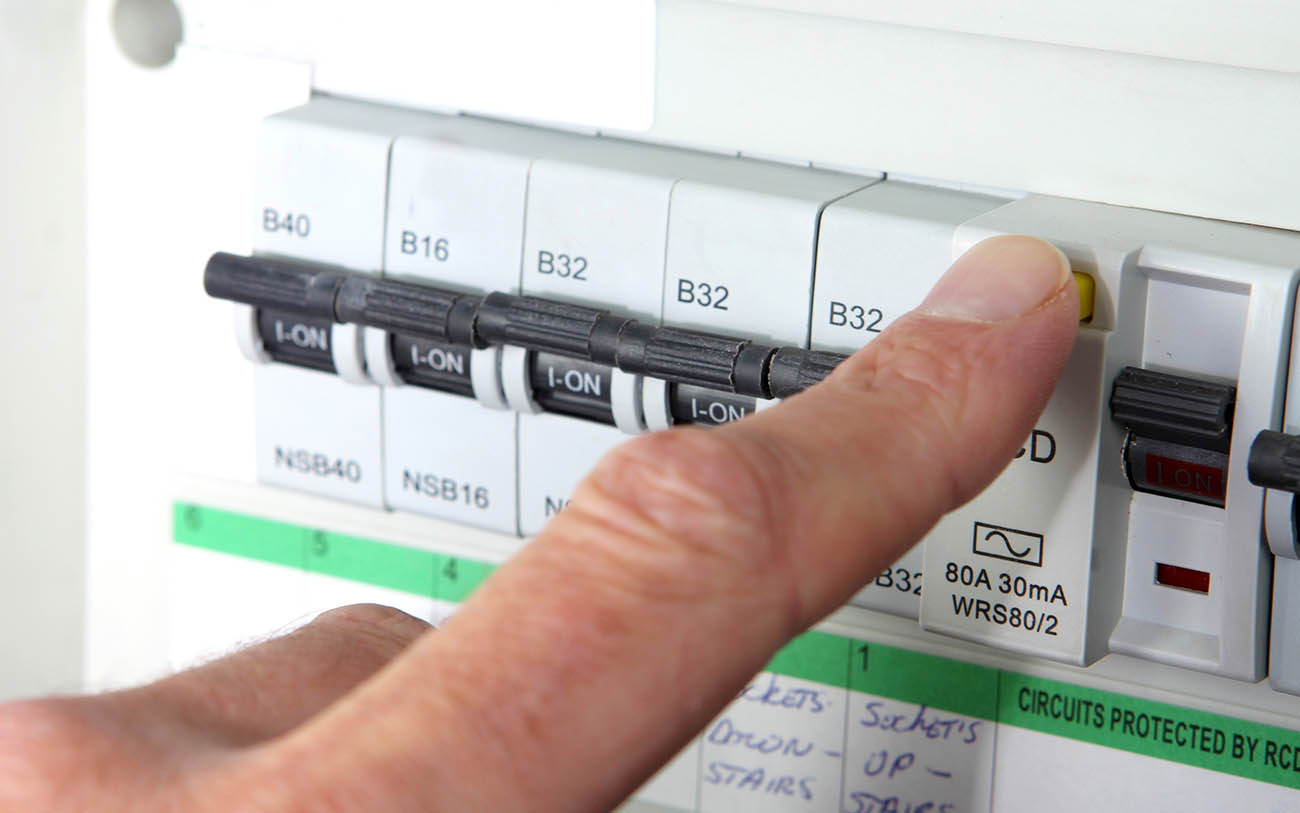
Frequently Asked Questions
This all depends entirely on the type and the size of the property and how many electrical elements need testing. When you choose JANTEST, we’ll ensure you recieve a fantastic quote.
We offer a comprehensive electrical testing service to both our domestic and commercial clients. Whether it’s a full PAT test or to see if the electrics are safe to use in a property, then we have you covered.
All work is carried out by trained and fully qualified electricians to ensure the work meets current regulations.
Contact JANTEST Today!
For more information on the services we provide or to discuss a project with us, then be sure to get in touch with us today!
Reasons To Inspect & Test
The Institute of Engineering and Technology’s guide to inspection and testing, (Guidance note 3), highlights the following necessity for periodic inspection and testing:
“Periodic inspection and testing is necessary because all electrical installations deteriorate due to a number of factors such as damage, wear, tear, corrosion, excessive electrical loading, ageing and environmental influences.
Consequently:
- Legislation requires that electrical installations are maintained in a safe condition, and this lends itself to periodic inspection and testing.
- Licensing authorities, public bodies, insurance companies, mortgage lenders and others may require periodic inspection and testing of electrical installations, as is for example the case for houses in multiple occupation.
- Additionally, periodic inspection and testing should be considered in the following circumstances:
-
- to assess compliance with BS 7671 (Electrical regulations)
- on change of occupancy of the premises
- on a change of use of the premises
- after additions or alterations to the original installation
- where there is a significant change (increase) in the electrical loading of the installation
- if there is reason to believe that damage may have been caused to the installation, as might be the case for example after flooding.”
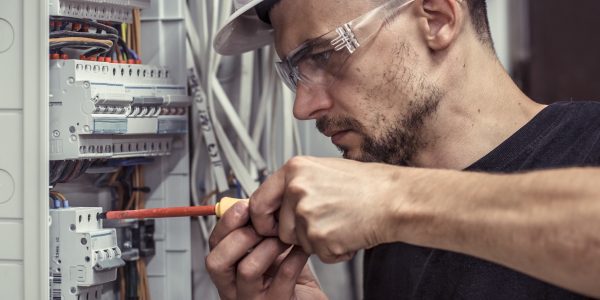

PAT Testing
Portable appliance testing (PAT testing) is the testing of the electrical items that are plugged or connected into an electrical installation rather than the installation itself.
JANTEST electrical offer a full electrical PAT testing service. We will test from the consumer unit to the socket and the equipment plugged into it for a comprehensive ‘electrical MOT’. Customers renting property and all employers with electrical devices in the workplace should have them PAT tested at defined intervals to comply with the requirements of the Electricity at Work Regulations. Poorly maintained electrical accessories can cause injury, burns and potentially death by electric shock as well as fires. PAT testing will ensure that electrical accessories are safe for use and in good condition.
Case Notes
On one job in a family home JANTEST discovered that the house had no earthing, (Earthing is a vital component of safety in an electrical installation protecting against electrocution). The property was wired correctly throughout the internal installation with new sockets, up to date wiring and earthing connections throughout. When tested however, there was no earth connection at the source of the installation. This left the property completely unprotected against electric shock. A family had been living in the property for over two decades. It was only luck that meant a fault had not developed during this time. JANTEST identified the defect and arranged for the electricity board to make the correct earth connection. A lack of testing after work had been carried out in the past had left the property in a potentially dangerous state with the homeowners unaware. This highlights the importance of correct testing and certification being carried out after electrical work. The work may look good but only the correct testing process can confirm this satisfactorily and only the correct certification can confirm this to you the customer.
Inspection, testing and certification is useful to check work you have had completed in the past that may not have been certificated at the time.
Case Notes:
JANTEST was asked to carry out an installation for a customer. We tested the installation to insure that the existing work was safe to make additions to. The testing exposed some recent work that the customer had had completed to be substandard and in a dangerous condition. In this example a kitchen had been rewired but the earthing cable that provides the fundamental protection against electric shock had been left unconnected. In this state the customer had no protection from electric shock and no way of knowing this danger. JANTEST was able to identify the problem and correct it. We also recommended an upgraded consumer unit to provide RCD protection in line with the latest regulations. This work made safe an unsafe installation and upgraded it to the latest safety standards and all because of information discovered by inspection and testing.
